When it comes to home maintenance, carpets are quite often overlooked. If your home has carpet, you’re going to be using it every day but other than a quick vacuum, how much effort do you go to when taking care of it?
Whether it’s suffered water damage or just isn’t cleaned regularly, your carpet may start to develop a damp smell. What’s worse is that if this smell isn’t dealt with immediately, that smell might linger even after you’ve scrubbed every surface in the room.
To eliminate the problem, you must first identify the cause. There are several reasons why a carpet gives off an unpleasant odour when wet. Rugs actually trap smells inside their fibres, which becomes most noticeable when they come into contact with water. With that, here are some of the most common reasons why a carpet starts to smell:
- Mould and mildew: Humidity, leaks, or water spills can cause moisture to become trapped inside the fibres of the carpet, leading to the formation of mould and mildew.
- Low-quality materials: Some low-quality carpets emit odours similar to those of diesel or burnt oil when wet. This may come from the latex back coating or the adhesive that has been used in manufacturing.
- Old stains: When liquids such as milk, wine, and soft drinks are spilled onto the carpet, they may not only leave behind stains but also awful smells that can worsen over time.
- Pet stains: Substances such as pet urine, saliva, vomit, and wet fur all contain bacteria, which emit nasty odours.
How to get rid of the wet smell in your carpet
To avoid dealing with unpleasant smells on your carpet, the best thing to do is to perform proper cleaning and disinfection immediately. Here are a few simple solutions you can consider.
Use baking soda or borax
Baking soda possesses incredible cleansing properties – and the best part of it is that it is a product you most probably already have sitting in your kitchen cupboard. Baking soda breaks down stains and absorbs odours and moisture. When dealing with a heavy-duty stain, you can use baking soda on its own or combine it with white vinegar.
- Make sure your carpet is dry.
- Mix warm water and vinegar (2:1) in a spray bottle. Spritz the solution over the affected areas of the carpet. Do not oversaturate.
- Sprinkle baking soda over the smelly areas. You can use a broom or brush to spread it around, then work the powder into the carpet. You may use borax as an alternative (remember to read its instructions first).
- Let the solution sit overnight.
- Vacuum up the powder from the carpet, ensuring that no product is left behind.
Shampoo the carpet
Try using commercial carpet shampoo. There are different types available; others may require a carpet cleaning machine, while others can be applied with just a sponge.
Always check the application instructions on the product before using it. You’ll find that some shampoos may require water to be activated, while some work perfectly when dry.
Note that if your carpet has suffered staining, it may be a good idea to address it before shampooing. Relatively fresh stains may be eliminated with warm water and vinegar, as mentioned above. However, if it’s an older and more stubborn stain, like dried pet urine or vomit, you might need to use a chemical-based detergent or an enzymatic cleaner.
- Vacuum the carpet to eliminate any dust and debris.
- Sponge the shampoo into the carpet, rubbing gently. Again, do not oversaturate.
- Wait at least 20 minutes.
- Vacuum the carpet once more.
Hire professional cleaners
Mild water damage may be solved with DIY cleaning fixes, but when mould or mildew have started to develop, they will require more effective treatment. In this case, it might be in your best interest to find a carpet cleaning service.
Expert cleaners use specialised machines to provide deep carpet cleaning and stain removal. Often to eliminate nasty foul odours and challenging spots, professionals will use a hot water extraction method to break down any bacteria and extract excess moisture, dust, and/or grime.
After a specialised steam cleaning, the carpet will be free from bacteria, needing only 3 to 6 hours to dry completely.
Control the humidity in your home
More often than not, prevention is better than the cure. To eliminate any chance of bad odour or mould growth, take measures to control the level of humidity inside your house. You can do this by:
- Set up electric fans or get a dehumidifier for better air circulation. An air conditioner may also deliver adequate results.
- Open your windows frequently for good ventilation.
- When cleaning the floor, wait for them to dry completely before placing the carpet back into place.
- If you’re able to move your carpet, try to put your carpet out in the sun to let it dry naturally.
- Find the source of humidity and eliminate it, such as a pipe leakage or steam coming from the kitchen or the bathroom.
Carpets that may have suffered extreme water damage or have stayed damp for long periods of time may be beyond repair. In this case, it would be better to replace the carpet entirely. Otherwise, you might put your carpet at risk of developing mould and posing potential health threats.
How often should you clean your blinds?
The frequency of cleaning your blinds depends on several factors, including the type of blinds you have, the location of your home, and the level of foot traffic in the room.
For example, homes in highly polluted areas, usually large cities or homes with pets or children, may need to be cleaned more frequently. In general, it is a good idea to dust your blinds every two weeks and give them a more thorough cleaning once every three to six months.
Your detailed guide for cleaning blinds fast and effectively
With so many different kinds of blinds out there, it’s understandable if you’re not sure of the best method for cleaning your blinds. We’ve broken down the cleaning by type of blinds.

Wooden Blinds
Wooden blinds add warmth and natural beauty to any room, but they also require special care to keep them looking their best.
To clean wooden blinds, start by dusting them with a soft cloth or feather duster to remove any surface dirt. Then, mix a small amount of mild soap with warm water and use a damp cloth to gently clean each slat. Avoid using too much water, as it can cause warping or damage to the wood.
Dry the slats thoroughly with a clean cloth, and you’re done! You may also consider using a wood-specific cleaner for a deeper clean and to protect the finish of the wood. Using a wood cleaning product is a good idea for a super thorough annual clean and can help extend the life of your blinds.
Plastic Blinds
Plastic blinds are easy to clean and maintain, making them a popular choice for many homeowners.
Dust plastic blinds with a soft cloth or duster, then clean each slat with a solution of warm water and mild soap. Rinse the slats thoroughly with a clean, damp cloth and dry them with a clean, dry cloth.
Avoid using abrasive cleaners, as they can scratch the surface of the plastic. You can also use a plastic-specific cleaner to help remove tough stains and protect the finish.
Metal Blinds
Metal blinds, including aluminum and venetian blinds, are durable and long-lasting, but they can also collect dust and grime over time. Depending on the room they are in, the dust and grime can become quite sticky too.
To clean metal blinds, dust them with a soft cloth or duster, then clean each slat with a solution of warm water and mild soap.
Rinse the slats thoroughly with a clean, damp cloth and dry them with a clean, dry cloth. Avoid using harsh chemicals or abrasive cleaners, as they can damage the finish of the metal which could cause rust in the long run.
For stubborn stains, you can try using a metal-specific cleaner or a solution of equal parts water and vinegar.
Fabric Blinds
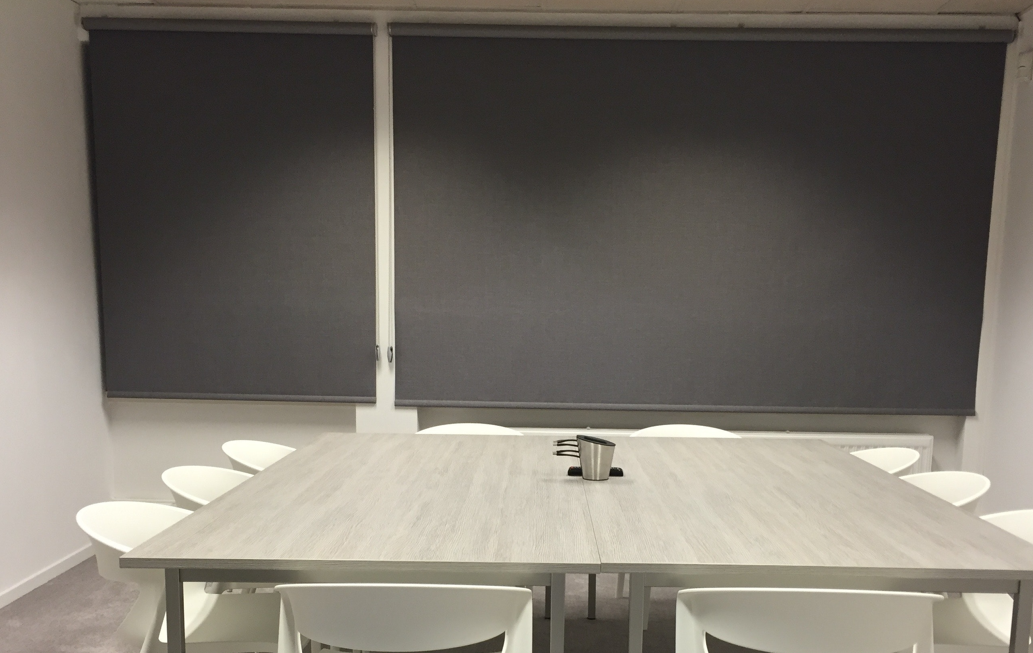
Fabric blinds, including Roman, roller, and cellular blinds, are soft and stylish, but they can also be tricky to clean. Dust fabric blinds with a soft cloth or duster, then spot clean the fabric with a solution of warm water and mild soap. Avoid using too much water, as it can cause the fabric to shrink, become misshapen, or develop water stains.
Allow the fabric to air dry completely before rehanging the blinds. For more stubborn stains, consider taking the blinds down and washing them in a solution of warm water and mild soap. After washing, hang the blinds to air dry completely, avoiding direct sunlight and heat sources that can cause fading or damage.